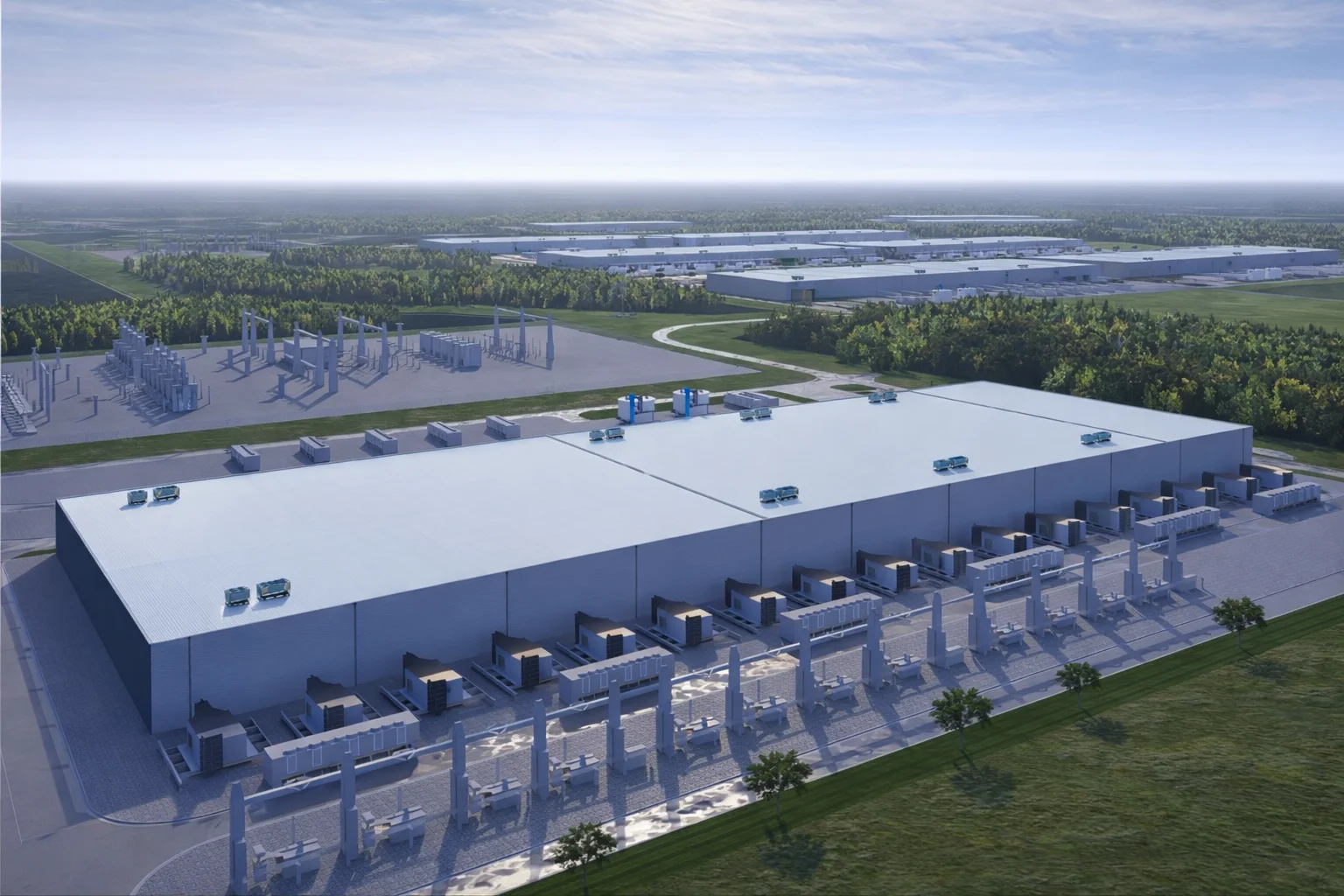
Cornerstone West Technology Park
A Proposed Technology Data Center Campus in West Oklahoma City
Factual Information • Community Benefits • Responsible Operations
$9B
Capital Investment
8,000+
Construction Jobs
315+
Permanent Jobs
This website is meant to inform the public about this project's attributes, design, and impact in Oklahoma City. The figures included on this page for Capital Investment, Jobs, Buildings, Facility Size, and Power Capacity are estimates based on the conceptual site plan presented below.
What is the Data Center Project?
The project proposes a high technology data center campus with up to nine buildings totaling approximately 1.6 million square feet and 600 MW, located adjacent to I-40 with direct access from Frisco Road in west Oklahoma City. The campus is planned as two coordinated and master-planned campuses north and south of I-40, designed with setbacks, landscaping, and screening to reduce visibility and integrate with the surrounding community.
$9B
Capital Investment
9
Buildings
1.6M sq ft
Facility Size
600 MW
Power Capacity
294 Acres
Project Acreage in Oklahoma City
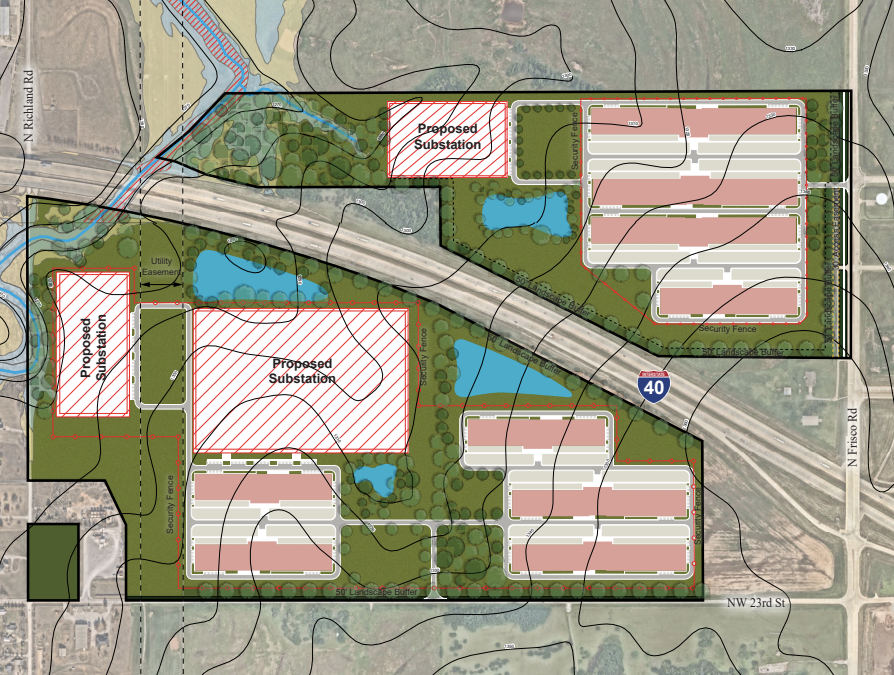
Conceptual site plan layout
Why This Matters

The Opportunity
Major tech companies are investing billions in data center infrastructure across America. Communities that welcome responsible development see transformative benefits: better-funded schools, modern jobs, and improved infrastructure.
National Priority
The responsible development of data centers is a national priority and of critical importance to ensure the global competitiveness of the USA and its technology sector.
Community Benefits
How this project supports West Oklahoma City

Employment
315+ permanent high-paying technical jobs plus 8,000+ construction jobs over multiple phases, with annual payroll exceeding $50 million for permanent positions.
Infrastructure
Over $100 million in investment for power, fiber, water, and sewer infrastructure that will improve public infrastructure for the entire community.
Low Impact Neighbor
Data centers operate quietly, generate limited traffic, have no retail activity, and place minimal demand on schools and emergency services.
Local Revenue
Data center projects can generate a range of public revenues, including property taxes, sales and income taxes during construction and operations, and franchise fees associated with utility use. These revenues contribute to local and state budgets, helping fund public services and infrastructure while spreading costs across a broader tax base, which can reduce pressure on existing taxpayers over time. Under Oklahoma's tax structure, a significant portion of property tax revenue is directed to local school districts and career technology programs, making education one of the primary beneficiaries of data center development.
Environmental Stewardship & Cooling
Responsible resource management and community infrastructure benefits

Our Approach to Cooling
Modern data centers use a range of efficient cooling technologies, which may include recycled-water systems or closed-loop cooling designs that recirculate cooling fluids and minimize water use, helping to reduce or eliminate demand on municipal potable water resources while meeting applicable environmental and regulatory standards.
Using Recycled Water
The project is evaluating opportunities to:
- Utilize treated wastewater for cooling where available
- Invest private capital to help improve public sewer infrastructure
- Reduce reliance on freshwater resources
This approach allows wastewater that has already been treated by the public system to be reused for cooling, rather than relying on drinking water supplies.
Community Infrastructure Benefits
If implemented, this approach could:
- Improve the capacity and reliability of sewer infrastructure
- Support long-term system planning for the community
- Create additional value and revenue from existing public assets
- Align with state and local environmental standards
All water use and infrastructure improvements would be subject to applicable city, county, utility, and DEQ review and approval.
Community Integration
Thoughtfully designed to integrate with the surrounding community
Design Features
- Enhanced setbacks from major roads and adjacent properties
- Enhanced landscaping buffers and screening
- Thoughtful screening of equipment and infrastructure from public rights of way
- Campus-style layout with thoughtful and aesthetic building designs
The intent is for the project to operate quietly and largely in the background along I-40.
Landscape Buffer
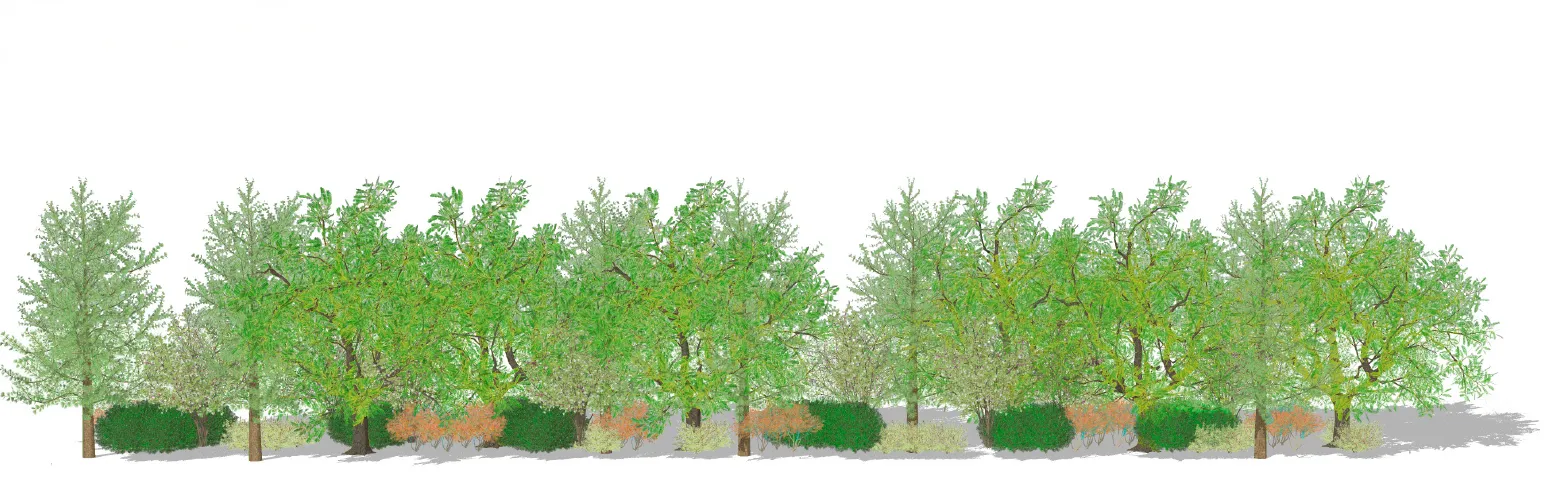
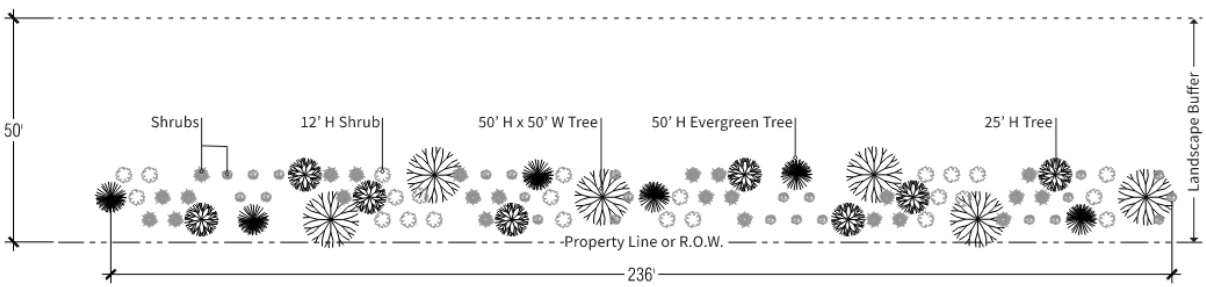
Landscape buffer design integrates native vegetation to screen facilities and enhance aesthetics
Local Representation
To ensure alignment with the community and the City, the project has retained best-in-class local representation to facilitate its engagement with local stakeholders and to provide local expertise throughout the development process. Local firms representing the project include:


Land Use Comparison
Comparative Analysis of Land Use Types
| Category | DATA CENTER | Warehouse | Retail | Residential |
|---|---|---|---|---|
| Daily Traffic | Low | High | High | Moderate |
| Truck Traffic | Very limited | Frequent | Regular deliveries | Very limited |
| Permanent Jobs | Moderate, highly skilled | Moderate, logistics-focused | Higher count, service-oriented | None |
| Average Wages | High | Moderate | Lower to moderate | N/A |
| Public Service Demand | Low | Moderate | Higher | Higher (schools, local services) |
| Tax Revenue Stability | Very stable, long-term | Moderate | Market-dependent | Stable but service-intensive |
| Land Use Intensity | Moderate size buildings, low activity | Large buildings, high activity | Smaller buildings, high activity | Smaller buildings, continuous activity |
Data center campuses offer significant advantages in traffic, wages, and tax revenue stability
Swipe to compare all options →
Frequently Asked Questions
Information about the proposed data center campus
Click any question to expand or collapse the answer.